​Fire Dendrochronology

​Fire Dendrochronology Explained

We are often taught that forest and wildfires are bad, and that suppressing all fires keeps us safe. However, Indigenous peoples of California embrace fire, and intentionally burn to mitigate wildfire spread, and to enhance critical resources and habitats.

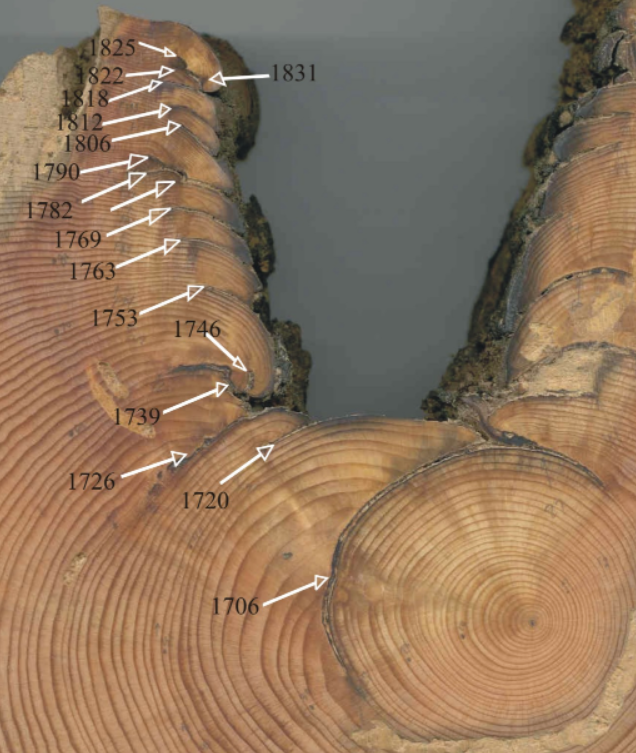
Archaeologists, historical ecologists, and geographers use multiple sources of evidence to learn about the characteristics of historical fire geography. One key source of evidence is found in trees. Lower intensity fires do not kill trees, but they may scar them, producing a chronology of fire occurrence and frequency. They study of this tree-based chronology is called Dendrochronology.

Through dendrochronology, scientists have found that fire was much more widespread and frequent before colonization, and that the fire suppression policies enacted by the State of California have drastically reduced fire occurrence, producing major ecological and social challenges.

The Tree Cookie

Read More about Tree Rings, Dates, and Dendrochronology

Tree Rings, Dates, and Dendrochronology

Every year, a tree adds a new layer of growth, forming a visible ring in its trunk. These rings change in thickness depending on the climate—wide rings grow in wet, favorable years, and thin rings form in dry or difficult years. By counting and comparing these rings across many trees, scientists can create long, continuous timelines of past environmental conditions.

Dendrochronology is the science of using tree rings to determine the age of wood and to study past climates. It allows researchers to date wooden objects with remarkable accuracy and to understand how temperature, rainfall, fires, and other natural events shaped the landscape over hundreds or even thousands of years.
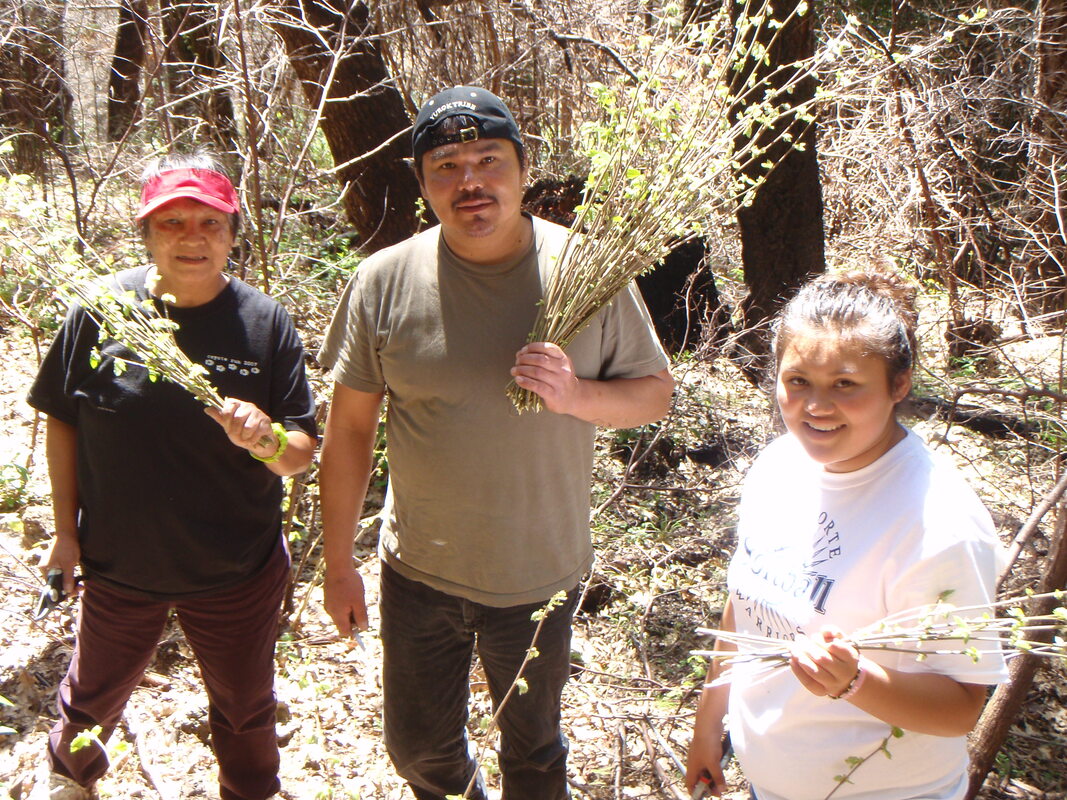
Why did Indigenous Peoples set Prescribed Fires?

Yurok Gathering; Mom, Son, and Daughter Read More about Cultural and Ecological Benefit

Cultural and Ecological Benefit
Prescribed fire has multiple ecological and cultural benefits, and is a fundamental part of Indigenous Spiritual practice and livelihoods.
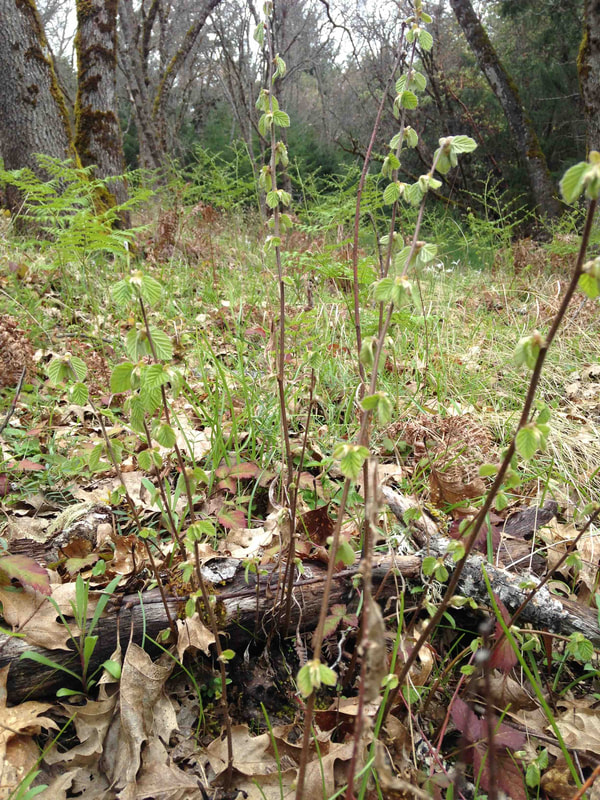
Yurok Reservation; Hazel Read More about Creating Room for Crafting Material

Creating Room for Crafting Material

When many shrubs are burned, they re-sprout and produce straight, unbranched stems. These stems are great for weaving baskets, which are used for many purposes, such as for food gathering, carrying, processing, cooking, and serving food. Other uses include baby cradles, storage, fish-and-bird traps, and ceremonial purposes (caps and regalia).

California hazelnut (Corylus cornuta var. californica) is one example of a species Indigenous peoples burned for basketry. The hazelnut shrub in this photo has straight stems ready for gathering, one year after they were burned on the Yurok reservation in Northern California.
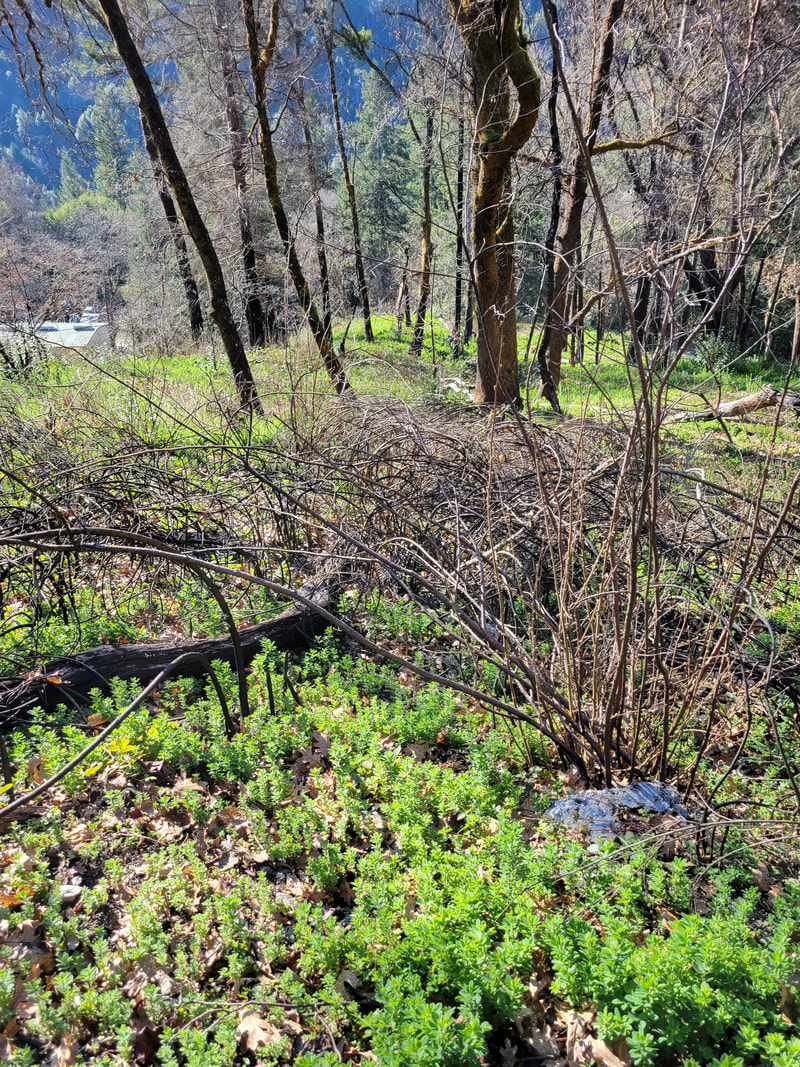
Yurok Reservation after a cultural burn Read More about Clearing Land for Visibility and Ease of Travel

Clearing Land for Visibility and Ease of Travel

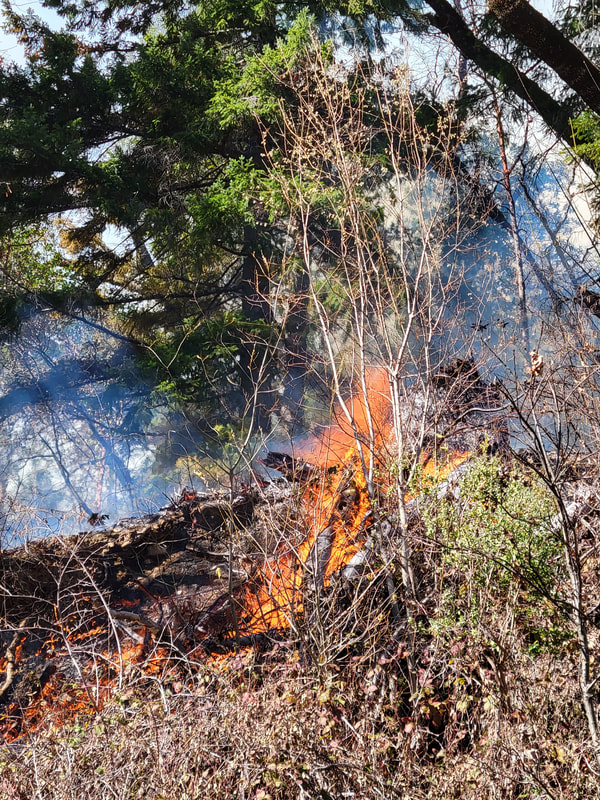
In areas where fire has been excluded, dense living and dead woody vegetation accumulates. These areas are fuel for uncontrallable fires, invite vermin, and make hunting difficult. Prescribed fires help clear undergrowth allowing Indigenous peoples to access resources with ease.
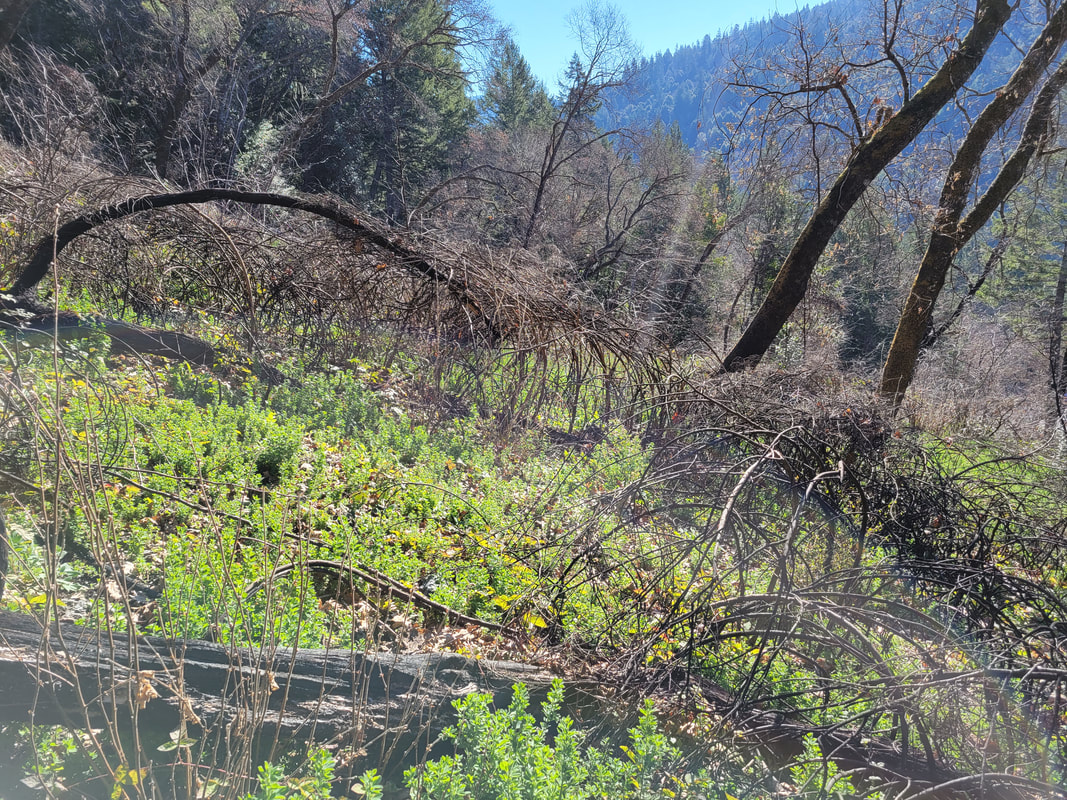
Yurok Reservation after a cultural burn

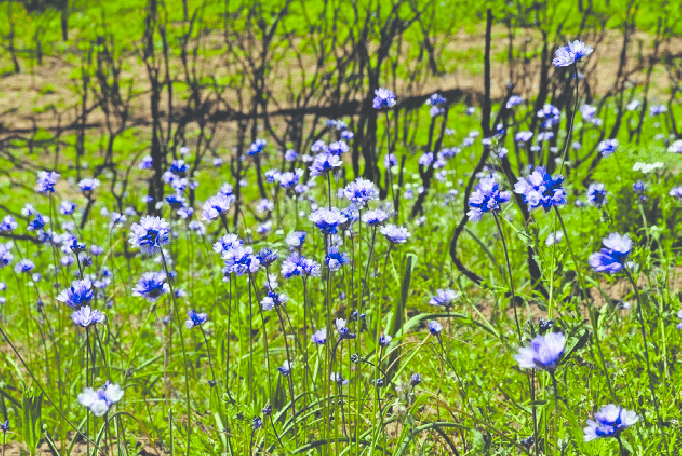
Dichelostemma capitatum are likely stimulated to flower by additional sunlight provided by the removal of the chaparral canopy by fire (photo: R.W. Halsey in Tyler and Borchert 2007). Read More about Replenish of Native Wildflowers

Replenish of Native Wildflowers
This process also permits more sunlight to reach the forest floor, increasing habitat for a variety of species, like the wild onions (Dichelostemma capitatum) shown here, which is also an important Indigenous food.

Visiting a Prescribed Fire

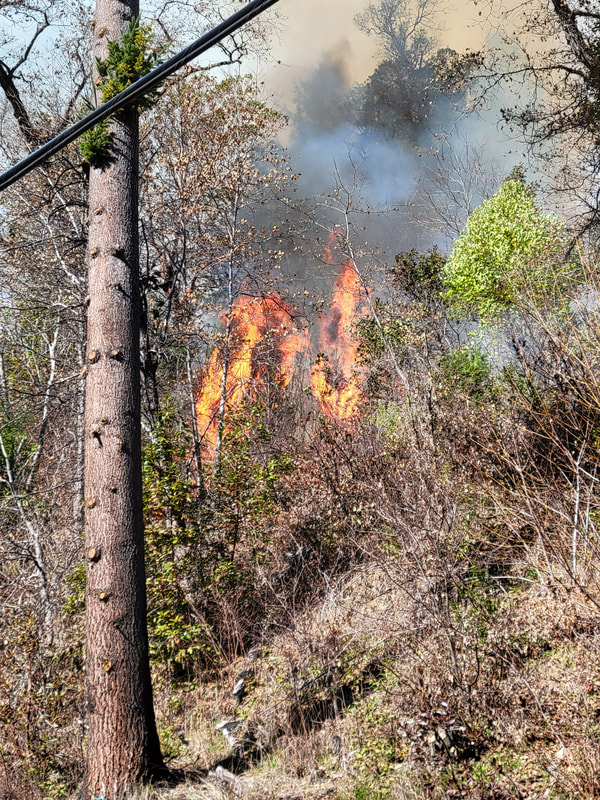
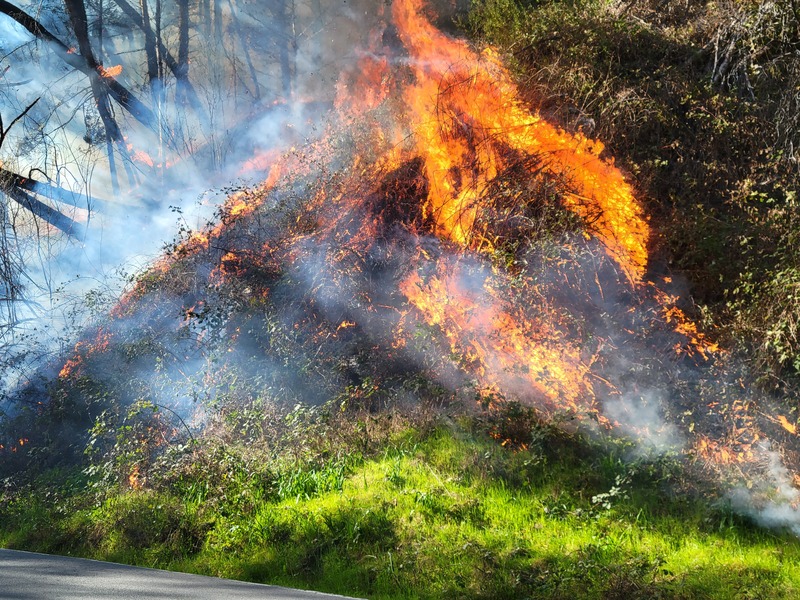
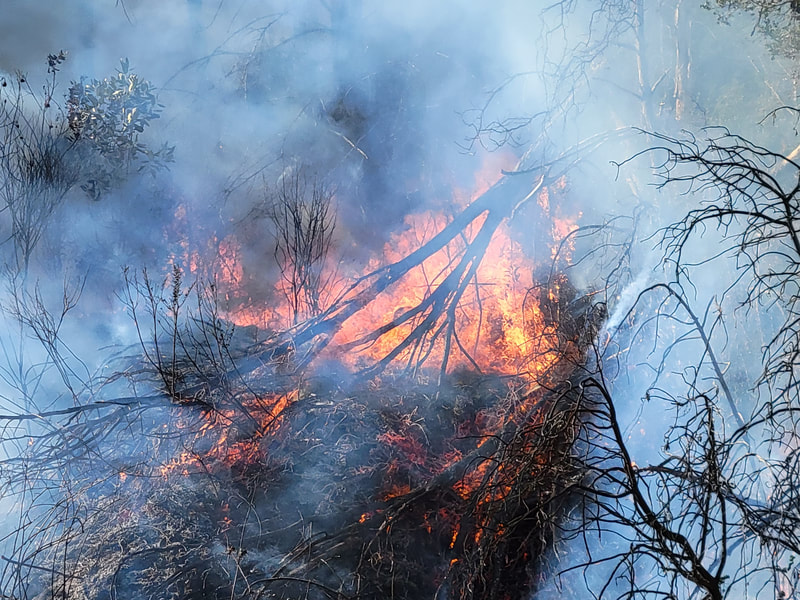
In February 2022, a team of Anthropology Museum students attended a prescribed cultural fire on the Yurok Reservation. A team of experts from the Yurok Tribe, and prescribed fire practitioners from across the region joined together to light a fire in the area. The fire lighters use drip torches to ignite the fire, and they begin at the top of the burn unit so that the fire does not go beyond the area they wish sto burn (a wildfire will spread more quickly going upslope). The prescribed fire is safe and does not get out of control. Cares are able to pass by without any harm and they were able to watch at a close distance. The notion that fire only leads to destruction should be forgotten. Moving forward, we hope that you will see fire as a beneficial use for our communities and environment.


 Photos and videos were taken at the Yurok reservation. Photos and videos were taken at the Yurok reservation.

 Photos and videos were taken at the Yurok reservation.

 Photos and videos were taken at the Yurok reservation.